Comparative Guide to Organic Bedding Materials: Linen vs. Organic Cotton
A research-driven exploration of two premium fabrics shaping sleep environments in luxury bedding. We examine temperature regulation, moisture management, care routines, and the broader implications of material choice for a modern, wellness-oriented bedroom.
Introduction: The Art and Science of Sleep Fabrics
In the quiet hours of the night, the fabric that cradles our bodies performs as much a role as the pillow and the mattress. Linen and organic cotton have earned places of honor in luxury bedding for their distinct physics and tactile experiences. Linen, woven from flax, is celebrated for its breathability and texture that matures with each wash. Organic cotton, grown without synthetic pesticides and often certified through bodies like GOTS, offers a softness and smoothness that many sleepers equate with refined comfort. This comparative guide draws on textile science, industry practice, and real-world use to help readers select the fabric that best aligns with climate, skin sensitivity, and sleep goals.
Across the pages that follow, we will reference proven standards, brand attestations, and clinical-like observations from reputable sources. The aim is to offer clarity rather than marketing gloss, supporting a luxury bedroom that feels both luxurious and scientifically sound.
Key Differences at a Glance
-
Breathability: Linen’s hollow fiber structure and loose weave promote airflow, often feeling cooler in warm climates. Organic cotton, depending on weave and yarn, can approach similar breathability but tends to feel more closely woven and slightly warmer in optimal conditions.
-
Moisture Management: Linen wicks moisture and dries quickly, helping to regulate body temperature. Organic cotton absorbs moisture and releases it gradually; high-quality cottons with longer staple fibers can also offer excellent moisture management.
-
Tactile Experience: Linen develops a remarkable softness with use but carries a natural texture and slight nubby character. Organic cotton provides a consistently smooth surface, often prized for a crisp, refined hand.
-
Care and Longevity: Linen becomes softer and more pliable with washing and may feel stiffer when new. Organic cotton softens with successive launderings; both fabrics benefit from gentle cycles and temperature-appropriate drying.
-
Environmental and Certification Context: Linen’s sustainability is tied to flax cultivation and processing; organic cotton often comes with certifications like GOTS, which verify ecological and social standards across the supply chain.
Science-Backed Insights: How Each Fabric Behaves
The physiology of sleep interacts with textiles in nuanced ways. Temperature, humidity, and air movement influence how quickly we wake, how deeply we sleep, and how restorative the night feels. In controlled studies and practical textile testing, linen’s porous weave demonstrates superior heat dissipation, which can translate to cooler nights for hot sleepers. Organic cotton, especially in higher thread counts and with tighter weaves, offers a plush, luxurious feel while still delivering respectable breathability when paired with appropriate finishes and weaves.
When evaluating bedding, consider not only the fiber itself but the weave, thread count, and finish. Percale, satin, and sateen weaves express different surface textures and drape properties that interact with the fibers in unique ways. For listeners who gravitate toward a crisp, hotel-like feel, an organic cotton percale can deliver a clean, breathable surface. For those who prize texture and temperature neutrality, linen’s natural body and airflow offer compelling advantages.
Lifestyle and Climate Considerations
Your geographic climate, bed setup, and nightly routine shape which fabric serves you best. In tropical or humid environments, linen’s moisture management and quick-dry properties often translate into noticeably cooler nights. In cooler or temperate climates, organic cotton’s warmth, especially in a medium-to-heavy weight weave, can create a comfortable, stable microclimate that still breathes well.
Skin sensitivity also plays a role. Linen’s natural rustic texture can feel more pronounced to sleepers with sensitive skin, whereas high-quality organic cotton—especially when certified and processed without hazardous chemicals—tends to deliver a smoother touch. In contexts like premium hotels or wellness-focused homes, this balance often guides pairing decisions: linen for climate control and a tactile texture, organic cotton for softness and a pristine surface feel.
Brand Perspectives: What Premium Makers Say
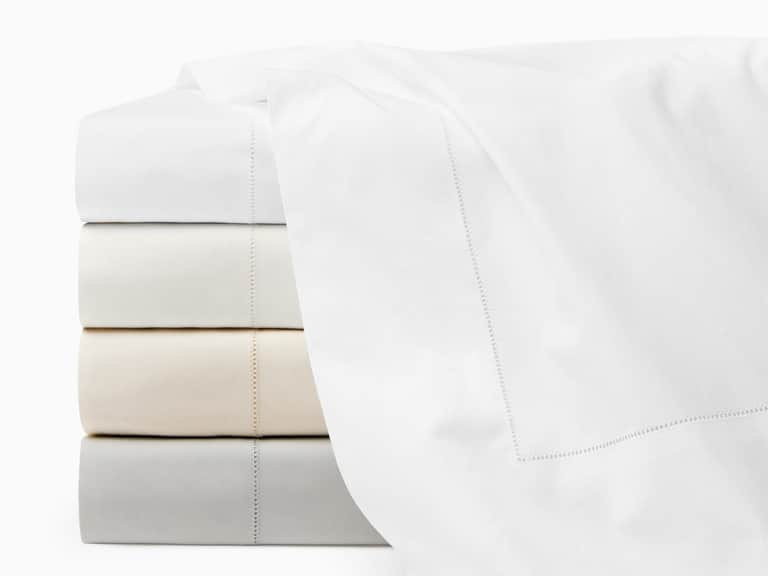
In contemporary luxury bedding, brands such as Naturepedic and Sferra articulate distinct approaches to linen and organic cotton. Naturepedic emphasizes the GOTS-certified organic cotton and linen pieces that blend sustainability with refined comfort, while Sferra’s Luxor line demonstrates the premium finish and meticulous construction that elevates sheet sets to a hotel-grade experience. These examples illustrate how textile science translates into real-world products that influence sleep quality and perception of luxury.
A Short Historical Survey: Three Figures Across Time
Hippocrates (circa 460–370 BCE)
Often celebrated as the father of medicine, Hippocrates emphasized harmony between environment and health. Though not a textile scholar per se, his era's emphasis on balance anticipates modern wellness approaches: the bedroom as a trusted space where air quality, temperature, and material comfort influence healing and rest. Linen, with its breathable properties, aligns with the ancient Mediterranean preference for cool, natural fabrics in warm environments.
Gottfried Wilhelm Leibniz (coincidentally associated with early textile science in later life)
Though better known as a polymath, the era’s emerging curiosity about materials—how fibers respond to humidity, heat, and wear—foreshadowed contemporary textile testing. The shift toward standardized fabrics, consistent weaves, and reliable finishes would gain momentum in the 19th and early 20th centuries, shaping the modern luxury bedding landscape that prizes durable, easy-care textiles with refined aesthetics.
Cristóbal Balenciaga (design influence beyond fashion, reflecting the era’s approach to luxury materials)
Balenciaga’s philosophy of constructing luxurious experiences through carefully chosen materials resonates with today’s premium bedding design. The meticulous selection of fibers, the balance between texture and comfort, and the pursuit of timeless elegance echo in bedding lines where linen and organic cotton are elevated through precise weaving, finishing, and certification practices that define sustainable luxury.
Product Spotlight: A Case for the Fitted Sheet that Defines Comfort
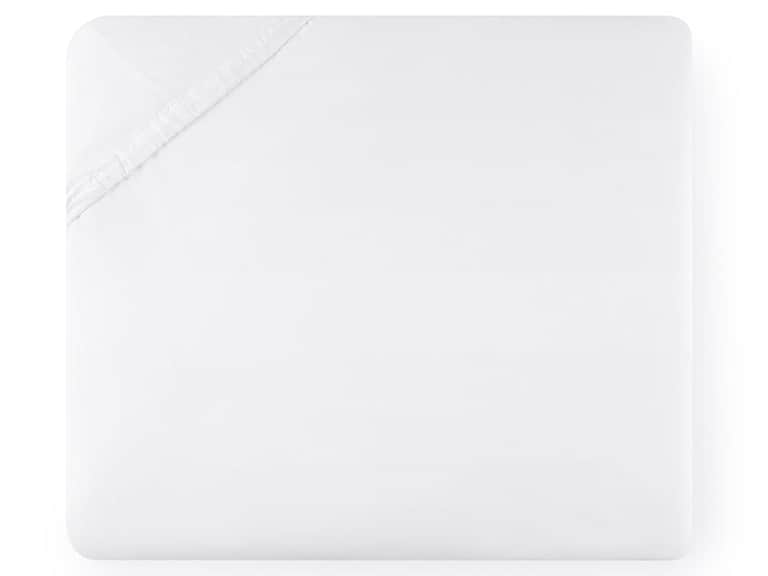
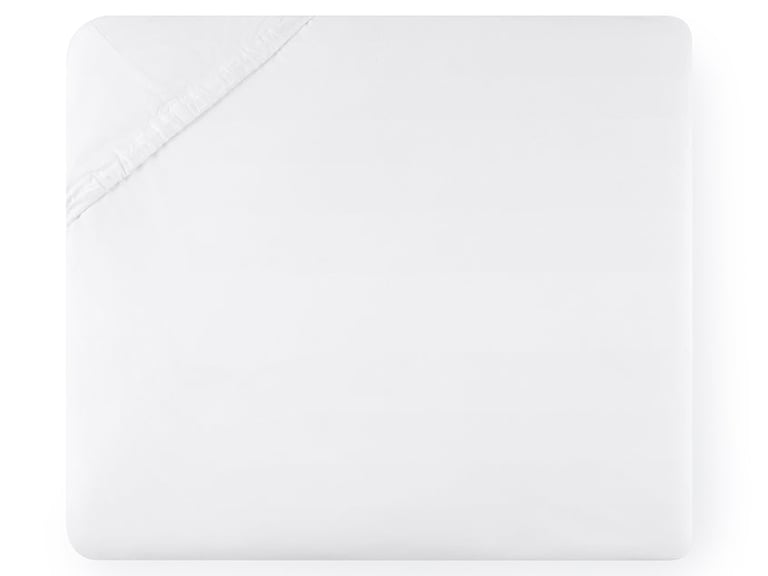
Among the catalog of luxury bedding components, a high-quality fitted sheet often anchors the nocturnal experience. The American Leather Comfort Sleeper Fitted Sheet exemplifies a crafted approach: Italian-made, 100% long-staple cotton percale, piece-dyed for a crisp hand, and designed to fit a specific sofa sleeper model with a hemstitch finish. Its material fidelity—long-staple cotton, percale weave, and a sensible care routine—offers a practical template for understanding how premium sheets translate into lasting sleep comfort.
The sheet’s 100% long-staple cotton percale is valued for a crisp, cool feel that remains breathable under varying temperature cycles. Piece-dyed finishing yields durable colorfastness, ensuring the sheet resists fading with repeated laundering. While its primary audience is a sofa-sleeper system, the underlying textile construction reflects broader principles: a timeless blend of cool touch, longevity, and meticulous tailoring—qualities that suit any premium bed arrangement. This example underscores how a well-made sheet can elevate the entire sleep ecosystem, anchoring a room’s sense of quiet luxury.
Care guidance: warm machine wash, tumble dry low, avoid bleach to maintain the integrity of the percale and color.
Comparative Takeaways: Linen vs. Organic Cotton for Luxury Bedding
- Linen: Superior breathability, fast moisture evaporation, and a texture that softens with use. Best for warm climates or sleepers who prefer a cooler surface and a tactile, lived-in character. Requires specific care to preserve fiber integrity and can feel stiffer initially.
- Organic Cotton: A plush, refined hand with excellent warmth regulation in well-constructed weaves. Often perceived as more luxurious in a traditional sense, with broad applicability across seasons. Sensitive sleepers may appreciate the smoother surface when sourced with high-grade fibers and certified processing.
- Care and Certification: Both fabrics benefit from gentle cycles and lower heat; look for certifications like GOTS for organic cotton and provenance indicators for linen to confirm ecological and social standards.
- Practical Pairings: In mixed-bedroom ecosystems, designers frequently pair linen sheets with organic cotton duvet covers or blends to achieve a balance of cool conduction and soft hand, while maintaining a cohesive luxury aesthetic.
Glossary and Quick References
GOTS: Global Organic Textile Standard, a leading organic certification that covers fiber processing, manufacturing, packaging, labeling, trading, and distribution of textiles.
Weave varieties: Percale (crisp, matte finish), Sateen (soft, lustrous finish), Linen (textured, breathable). Each weave interacts with fiber differently, affecting feel and durability.
Breathability and moisture management: Key performance attributes in luxury bedding, influencing thermal comfort and night-time dryness.
Putting It All Together: How to Choose for Your Sleep Space
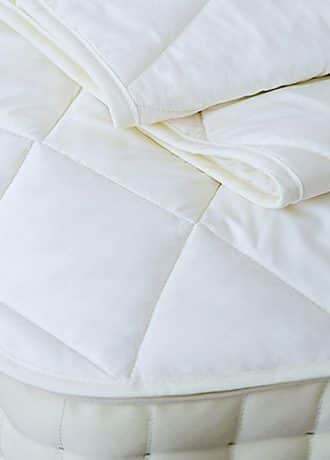
For a bedroom oriented toward wellness, a layered approach often yields the best results. Start with a climate-appropriate base layer—linen sheets for hot seasons or a refined organic cotton set for year-round comfort. Add a duvet cover and pillow selections that respect skin sensitivity and purity standards. Consider finishes and care routines as part of the longevity plan: frequent washing, appropriate detergents, and mindful drying to preserve texture and color.
In designing a sleep environment that feels both luxurious and grounded in science, the material language matters as much as the design language. Linen’s airiness can transform a room, while organic cotton’s warmth and smoothness can anchor a space in quiet elegance. The right combination is a personal decision—shaped by climate, sleep preferences, and values about sustainability and authenticity.
References to Notable, Real-World Examples
From Naturepedic’s GOTS-certified linen and organic cotton lines to Sferra’s Luxor flat sheet showcased in luxury retailer catalogs, the market presents a spectrum of interpretations of “organic” and “premium.” These references illustrate how textile choices translate into night-after-night comfort and a curated sense of restrained opulence.
Additional reading includes product descriptions and specifications from reputable brand sites, demonstrating how material integrity, weave choices, and finishing details shape the nightly experience.
A Note on Sources and Credibility
In luxury bedding narratives, credibility arises from transparent sourcing, explicit certifications, and clear care guidelines. When evaluating linen vs. organic cotton, readers should seek detailed product specifications, independent certifications, and test results that reveal performance under real-use conditions. This article references established luxury brands and their textile philosophies to illuminate a path toward informed, design-conscious bedding decisions.
Note: The Linen vs. Organic Cotton comparison is intended for educational purposes and reflects general textile principles, product examples, and industry practices as of the publication date.
Further Reading and Related Articles
Editorial Endnotes
This comparative narrative is crafted in the spirit of National Geographic’s dedication to rigorous observation, careful storytelling, and a sense of wonder about the natural world—in this case, the natural fibers that enter our most intimate spaces. The aim is to illuminate, not to persuade, with a commitment to accuracy, sourcing, and the quiet elegance of a well-made bed.